
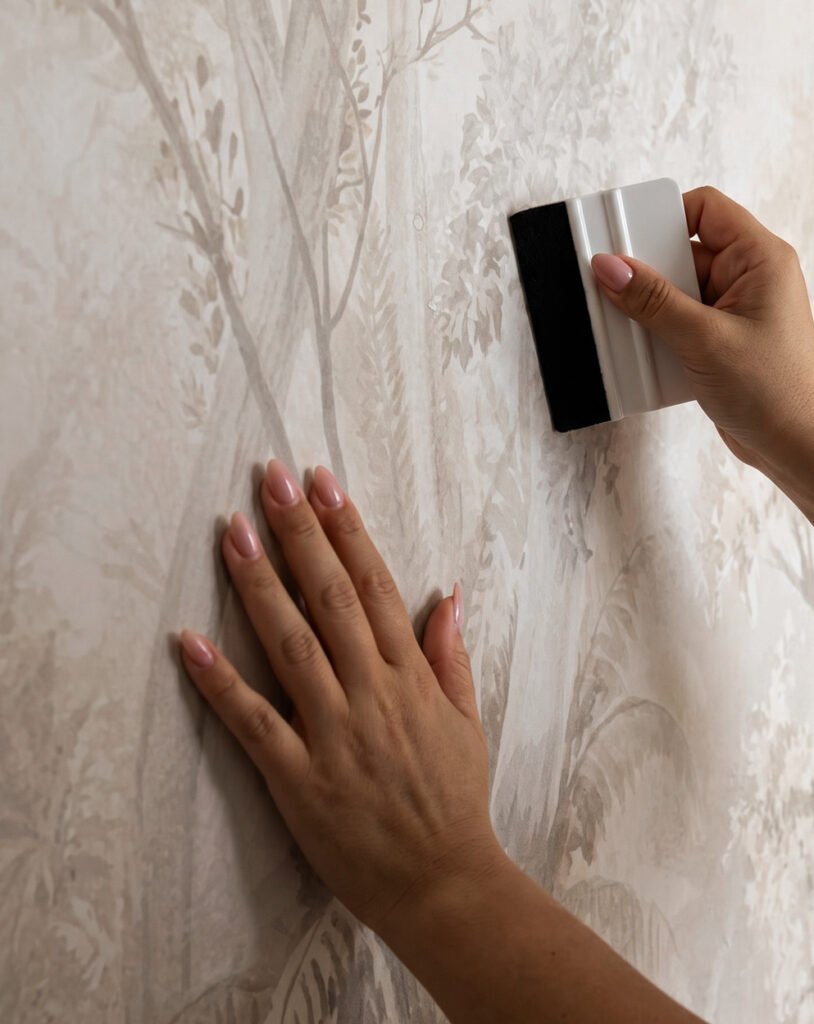
Yes. We install customer-supplied wallpaper and work with a wide range of materials, brands, and wallcovering types. Clients who source their wallpaper through our wallpaper store may also qualify for a 10% discount on installation services.
We install traditional wallpaper, non-woven wallpaper, vinyl, grasscloth, murals, textured wallcoverings, specialty materials, and commercial wallcoverings.
Yes. We provide wallpaper removal services and assess the wall condition based on whether the surface will be prepared for painting or new wallpaper.
Yes. We are experienced in installing wallpaper on ceilings, tall walls, stairwells, feature areas, and other surfaces that require added precision and planning.
Yes. We provide guidance on roll quantities, wallpaper suitability, and material selection to help ensure the project is properly planned from the start. Online wallpaper calculators are often inaccurate, and ordering less material than required may lead to a second order from a different batch, which can result in visible color or tone differences.
Professional wallpaper installation helps avoid common issues such as visible seams, bubbles, pattern misalignment, and wasted material, while delivering a cleaner, more polished final result. It also requires specialized tools and materials, including lasers, specialty blades, ladders, pastes, and other equipment. When those costs are added up, along with the risk of damaging the wallpaper through improper installation, doing it yourself can end up being more expensive than hiring a professional from the start.
Yes. We can provide guidance on color direction, sheen selection, and finish recommendations based on the space, lighting, and the overall result you want to achieve.
Proper preparation is one of the most important parts of a quality paint job. Depending on the condition of the surface, preparation may include cleaning, sanding, patching, caulking, priming, and other steps needed to support a smooth, lasting finish.
A professional paint job takes more than just applying color to a surface. Proper preparation, the right tools, quality materials, and the right technique all play a major role in the final result. Hiring a professional helps ensure cleaner lines, smoother coverage, better durability, and a finish that looks polished and professionally done.
Yes, when the surface requires it. Primer is important in situations such as new drywall, repaired areas, stained surfaces, strong color changes, or when better adhesion is needed. Using the right primer helps create a more even finish and supports longer-lasting results.
Most painting projects typically require two coats to achieve proper coverage, color depth, and a consistent finish. In some cases, the number of coats may vary depending on the color change, surface condition, and type of paint being used.
Signs that a surface may need repainting include fading, scuff marks, peeling, cracking, stains, visible wear, or a finish that no longer looks clean and fresh. In many cases, repainting is also a good option when you want to update the look of the space and give it a more polished appearance.
We take care to protect the space before painting begins. Depending on the project, this may include covering floors, protecting furniture, masking adjacent surfaces, and preparing the area to help keep the work clean, organized, and professional from start to finish.